
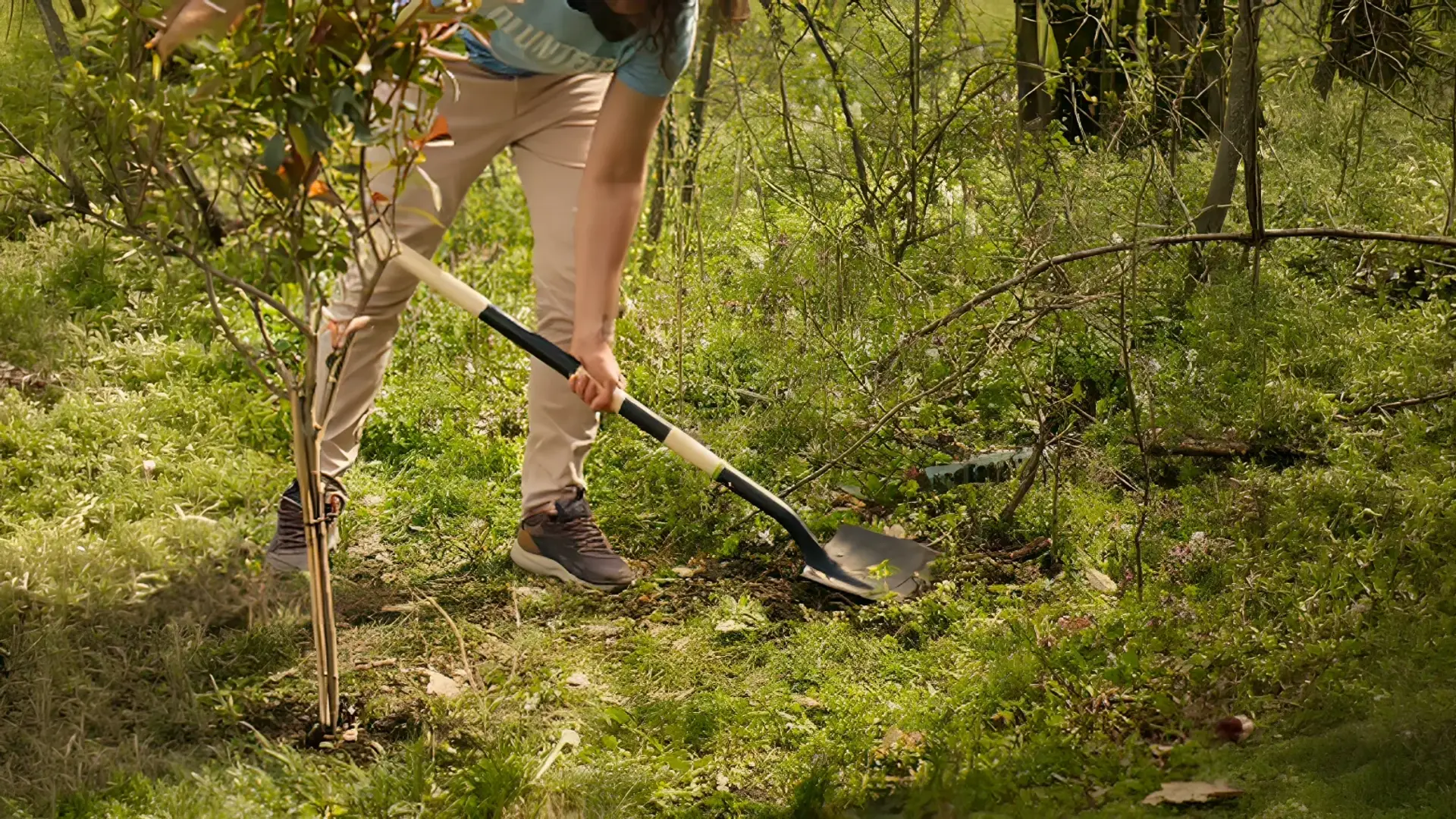
What is brush clearing?
What is brush clearing?
Definition: Brush clearing is the systematic removal of overgrown vegetation, such as dense shrubs, invasive weeds, woody vines, and small saplings that act as ladder fuels. In California, this is a vital component of defensible space management that prevents ground fires from spreading into tree canopies.
Benefits beyond safety:
- Managing invasive plant species.
- Improving general property maintenance access.
- Reducing the risk of pest infestations near homes.
Localized professional care
How we help: Because California ecosystems vary from coastal chaparral to Sierra Nevada foothills, there is no one-size-fits-all approach. We connect you with local independent professionals who understand:
- Native plant protection regulations.
- Local fire ordinances.
- Soil stability and erosion prevention.
Your chosen expert will perform an on-site evaluation, considering current weather, drought impact, and specific fuel types to create a tailored management plan.
Common brush clearing projects
Common project types
Residential and site maintenance: Property owners across California use brush clearing for several critical needs. Common projects include:
- Defensible space: Creating a fire-resistant perimeter around homes by removing dry, flammable brush and thinning fuel continuity.
- Access paths: Clearing brush from driveways, emergency egress routes, and narrow mountain roads to ensure fire apparatus access.
- Acreage management: Reducing fuel loads along property lines or near outbuildings and barns.
- Vacant lot maintenance: Managing overgrown lots filled with tumbleweed, mustard, or dense chaparral.
- Hillside protection: Reducing brush to prevent fire spread while retaining root systems to prevent erosion.
Professional assessment: Because every property has unique vegetation, a local pro must conduct an on-site visit. This ensures the method—whether manual hand-cutting, mowing, or mechanical brush cutting—is safe for your specific terrain and protected habitats.
What affects the project?
Factors influencing your project
Key variables: Several physical and environmental factors dictate how a project is executed. Discussing these during an initial site visit is crucial:
- Terrain: Clearing a flat lot requires different equipment than a steep, rocky hillside.
- Vegetation: Woody species like manzanita or chaparral require heavy-duty tools, whereas grasses may only need commercial mowers.
- Environmental sensitivity: Proximity to riparian zones or protected habitats may limit your clearing options.
- Accessibility: Long, narrow, or steep access paths may require specialized logistics for equipment and debris removal.
Environmental considerations
Why it matters: Drought conditions in California significantly change brush moisture and fire risk. Professionals will assess current humidity and wind levels to ensure work can be done safely. By meeting on-site, a pro can evaluate soil stability and physical obstacles to provide a realistic and compliant maintenance plan.
Brush clearing versus land clearing
Understanding the difference
Brush clearing vs. land clearing: It is important to know the difference for your project goals. Brush clearing is a maintenance activity that focuses on reducing fuel loads and removing unwanted growth while preserving the desired canopy. Land clearing is a more aggressive site-preparation process that removes all vegetation, roots, and obstacles down to bare earth.
Common clearing tools:
- Brush clearing: Uses commercial brush mowers, walk-behind machines, string trimmers, or hand tools to selectively thin fuel and mulch debris.
- Land clearing: Uses heavy machinery like excavators, bulldozers, and forestry mulchers to remove everything and grade the soil.
Choosing the right method: For most homeowners, land clearing is unnecessary and can cause soil erosion, increase invasive species, and damage natural aesthetics. Your local professional will recommend the appropriate level of intervention—mechanical, manual, or a combination—to ensure effective wildfire protection without over-clearing your land.
Frequently Asked Questions
Common questions about brush clearing and how our referral service works.
About This Service
Does your service perform the brush clearing work?
Estimates & Getting Started
How do I know what kind of clearing my property needs?
How do I get an estimate for my project?
Process & What to Expect
What happens to the cleared debris?
Timing & Scheduling
Is there a specific time of year to schedule brush clearing?
Property, Safety & Compliance
Does clearing brush guarantee my property is fireproof?
Are your professionals certified to ensure code compliance?
Can I clear brush on a steep hillside without causing erosion?
General Questions
How much does the clearing work cost?
Does Clear Land Connect perform the clearing work?
Is there a charge to submit a project request?
Do I need to know which service I need?
Will I receive an instant price quote?
Can you guarantee a provider is available in my area?
Do I have to accept the estimate?
Can Clear Land Connect confirm that my property is compliant?
Can I provide photos of my property?
What if I have a deadline?
How do I update or cancel a request?
Available in these California counties
Request this service for properties in our active service areas. A local professional serving your county may contact you to discuss the project and provide an estimate.
Featured California Service Areas
Brush Clearing professionals serving these California communities.
Related services
Depending on the property, a combination of services may be the most effective approach.