
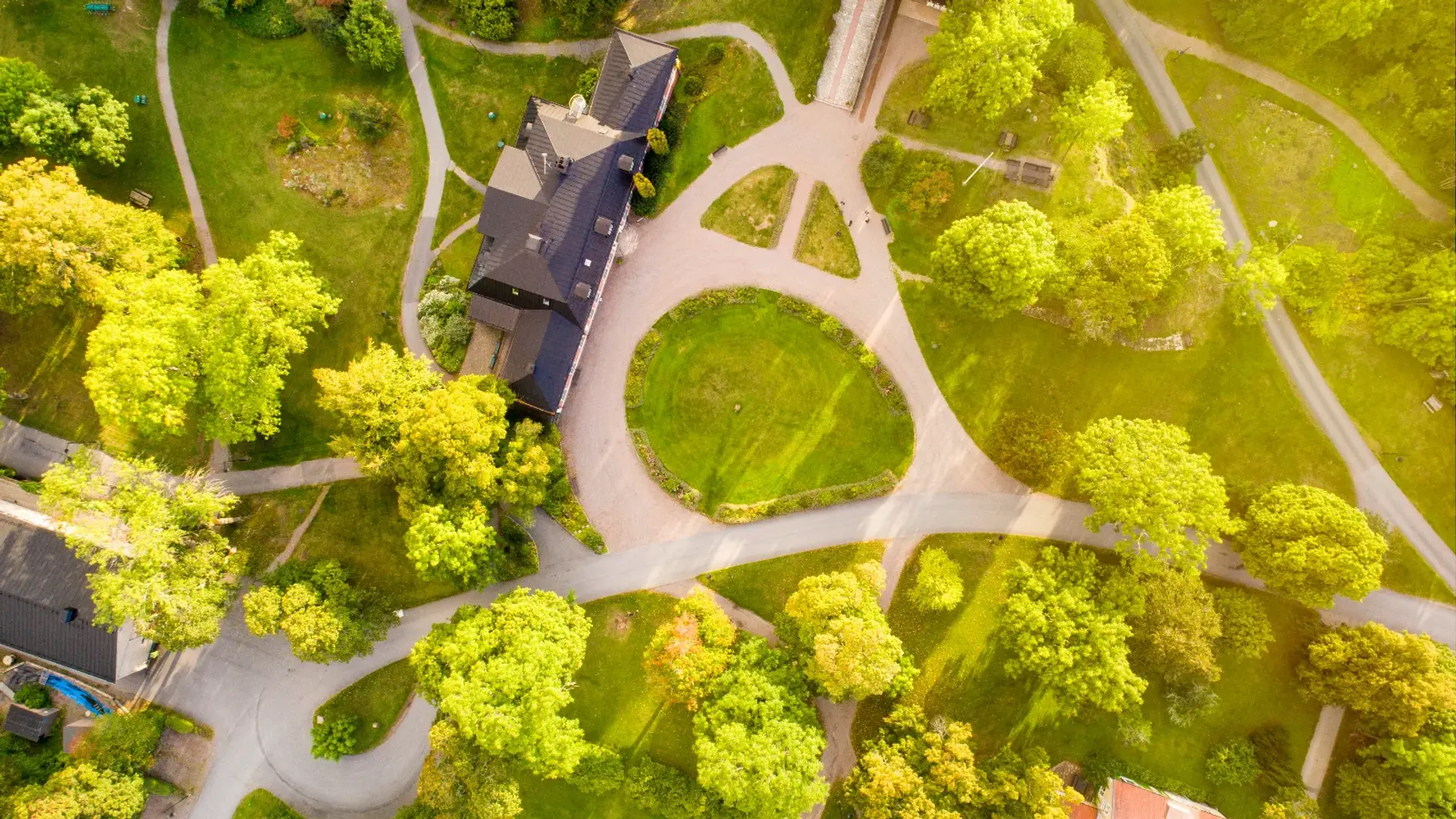
What is defensible space?
The Purpose of Defensible Space
Defensible space is the essential buffer zone between your building and surrounding wildland, including grasses, trees, and shrubs. In California, where wildfire cycles are a natural part of the landscape, this buffer is the most effective way to help your property survive a wildfire.
Why it matters: This space reduces heat intensity and prevents direct flame contact, giving firefighters a safer opportunity to defend your home. Creating defensible space is about managing the arrangement, density, and health of vegetation, not clearing your property entirely.
Creating a Personalized Plan
How it works: Managing your landscape involves several key tasks:
- Thinning out crowded trees.
- Pruning low-hanging branches.
- Removing dead or dry debris.
- Strategically placing fire-resistant plants.
Because every California landscape—from Sierra foothills to coastal chaparral—is unique, there is no one-size-fits-all solution. You need a professional assessment to account for your specific topography, fuel types, and local wind patterns. Ongoing maintenance is required as seasons change to address new growth and environmental conditions.
Understanding the areas around a structure
Zoning Your Property
Defensible space is categorized into specific zones based on distance from your structure to determine the best reduction tactics.
The Immediate Zone (0-5 feet): The goal here is complete ignition resistance. You should:
- Replace wood mulch with gravel.
- Remove flammable foundation shrubs.
- Clear gutters of needles and debris.
Managing the Extended Zone
The Extended Zone (5-100 feet): This area requires broader vegetation management. Common projects include:
- Thinning thickets of brush and overgrown shrubs to prevent vertical fire spread.
- Pruning lower branches at least 6-10 feet off the ground to eliminate 'ladder fuels'.
- Removing dead, dying, or diseased trees.
- Clearing tall, dry grass and weeds, especially during summer.
- Creating clear zones around driveways for emergency vehicle access.
Additional considerations: Professionals may also clear debris from under decks or wooden porches where embers accumulate. For large rural tracts, they may create fuel breaks or thin timber stands. A local pro must walk your land to assess slopes and identify which zones need urgent attention.
What Fire Ready California does not provide
Our Role as a Referral Service
Fire Ready California acts as a connection point between property owners and local experts.
Important limitations: Please note that Fire Ready California does not perform physical work, nor do we employ, supervise, or train the professionals in our network. Because we only provide referrals, we cannot offer guarantees, warranties, or assurances regarding service outcomes. We also do not provide fire safety certifications, code compliance, or legal clearance for fire department requirements.
Your Responsibility
What you must do: Because local ordinances vary across California, you are responsible for conducting due diligence on your contractor.
- Verify their current license and insurance.
- Ensure the scope of work aligns with your goals.
- Require an in-person site assessment.
Why an on-site visit is vital: Contractors must physically inspect the terrain, soil, and vegetation before providing a quote. Factors like extreme slopes or protected habitat can change the project's feasibility, so do not assume a quote is valid until a professional has walked your property.
Equipment and access considerations
Equipment and Site Access
Defensible space work requires equipment tailored to California's diverse terrain. In rugged areas with steep slopes, professionals may use heavy machinery like masticators to mulch brush quickly. In residential areas, they often use handheld tools like chainsaws and brush cutters for precision.
Access factors: Your project's success depends on physical site access. If your property has narrow roads, locked gates, or steep slopes, the contractor must adjust their equipment selection accordingly. Large machines may not reach remote areas, which could necessitate manual, labor-intensive work.
Managing Debris and Logistics
Key logistics to discuss: Address green waste removal early in the planning process. Options include:
- Chipping and spreading debris on-site as mulch.
- Hauling material to a facility.
- Supervised pile burning, where permitted.
Proactive planning: During your initial consultation, ask your contractor how they plan to enter and exit the property and ensure their gear is appropriate for your land's slope. Discuss overhead clearance and turn-around space for their vehicles to keep your egress routes clear and avoid project delays.
Frequently Asked Questions
Common questions about defensible-space work and how our referral service works.
Estimates & Getting Started
How do I know if I have adequate defensible space?
Can I perform this work myself?
Process & What to Expect
Do I need to be present during the professional's site visit?
How is the green waste handled after the work is finished?
Timing & Scheduling
How often should I have this work done?
Property, Safety & Compliance
Does Fire Ready California guarantee my property will be safe from fire?
What if my property is on a steep slope?
Are there specific plant species I should avoid?
General Questions
How much does the clearing work cost?
Does Clear Land Connect perform the clearing work?
Is there a charge to submit a project request?
Do I need to know which service I need?
Will I receive an instant price quote?
Can you guarantee a provider is available in my area?
Do I have to accept the estimate?
Can Clear Land Connect confirm that my property is compliant?
Can I provide photos of my property?
What if I have a deadline?
How do I update or cancel a request?
Available in these California counties
Request this service for properties in our active service areas. A local professional serving your county may contact you to discuss the project and provide an estimate.
Featured California Service Areas
Defensible-Space Work professionals serving these California communities.
Related services
Depending on the property, a combination of services may be the most effective approach.