
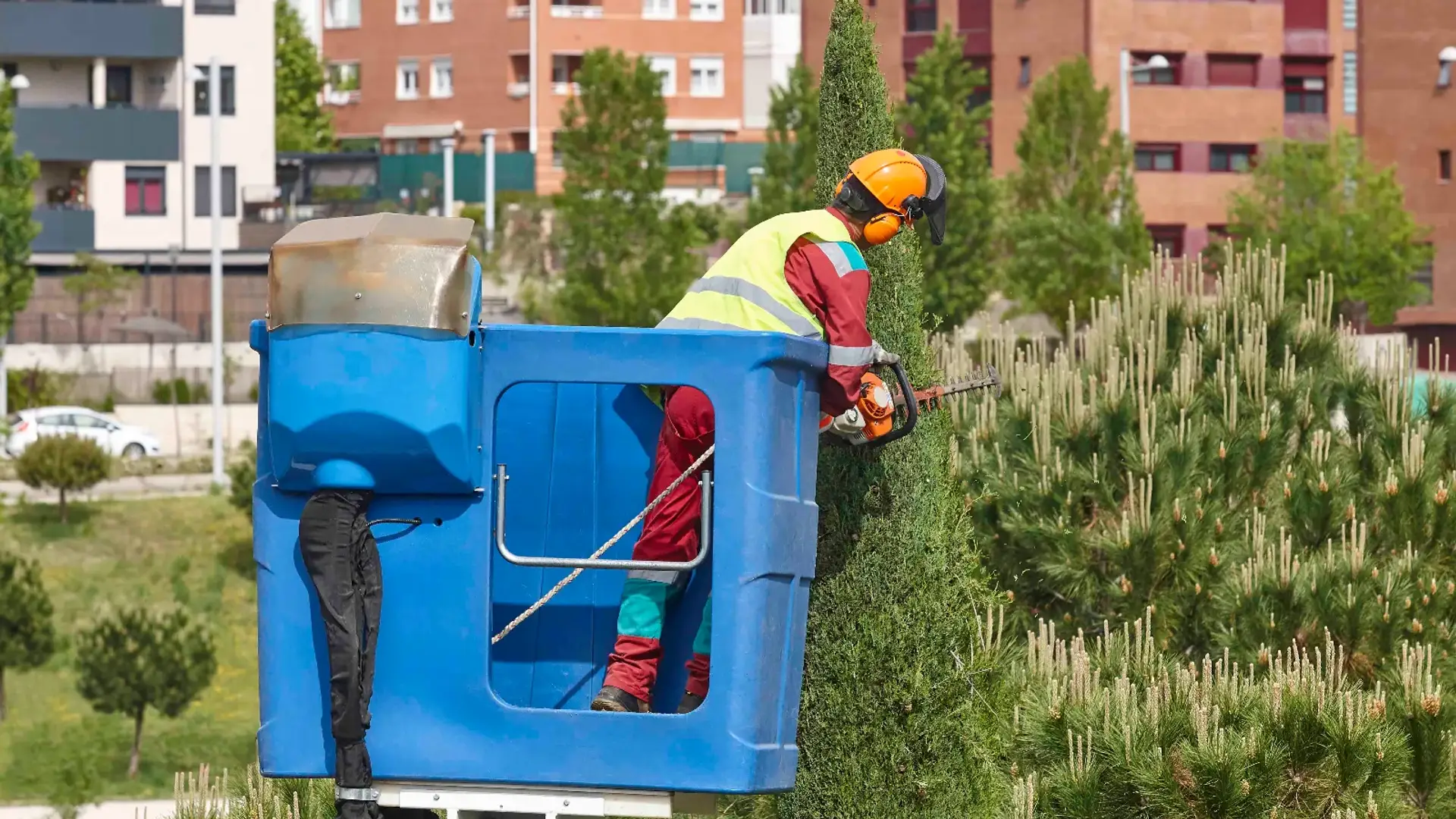
More than a one-time clearing
A Year-Round Commitment
Why it matters: Vegetation management in California is a continuous, seasonal cycle rather than a one-time task. Our Mediterranean climate causes rapid spring growth followed by long, dry, heat-intensive summers, requiring a long-term maintenance strategy.
Core objectives: Effective management focuses on reducing fuel loads—including brush, grasses, and dead organic material—to protect structures. We recommend managing in phases, prioritizing the immediate area around your home (Defensible Space Zone 0) first.
Strategic Implementation
Professional assessment: Because every parcel is unique, Fire Ready California connects you with local experts. They evaluate specific factors, such as:
- Vegetation type
- Land slope
- Density levels
Customized methods: Professionals determine the best approach for your land, whether that involves mechanical clearing, targeted grazing, or thinning. Tailored planning ensures your strategy remains environmentally sound and effective for your specific terrain.
Properties that may benefit
Tailored Solutions for Every Property
Diverse property needs: Each California property presents unique challenges that require a customized management plan. Common scenarios include:
- Residential: Clearing ornamental brush or encroaching wild grasses in the wildland-urban interface.
- Vacant Lots: Managing tumbleweeds and dry, tall grasses to prevent ignition.
- Rural/Acreage: Thinning dense thickets of manzanita or invasive species to protect timber and livestock.
- Commercial/HOAs: Maintaining large common areas, perimeters, and buffers to meet safety standards.
Why Professional Consultation Matters
Expert evaluation: No matter your property size, a local contractor can assess your land’s specific slope, soil stability, and vegetation composition. This helps determine the most effective fuel-reduction methods.
Key benefits: Connecting with a professional through Fire Ready California ensures your project is both impactful and tailored to your location. Expert eyes on the ground can help you prioritize tasks, lower fire intensity, and maximize your budget.
Building a practical plan
Creating Your Strategy
Key considerations: Building a practical plan requires an objective look at your property's specific landscape. Factors include:
- Topography: Steeper grades require careful planning to avoid soil erosion.
- Vegetation: Native oaks and riparian areas require different techniques than invasive annual grasses.
- Timing: Plans must align with seasonal changes and regional fire risk levels.
A Multi-Tiered Approach
Tiered defense: Sustainable plans focus on a systematic defense:
- Zone 0: Focus on home hardening and non-combustible materials within five feet of structures.
- Defensible Space: Thin and clear vegetation to reduce fuel while preserving healthy, soil-stabilizing native plants.
The professional advantage: Schedule an in-person assessment to identify site-specific risks. Professionals account for variables like wind patterns, drainage, and jurisdictional limitations to ensure your plan is dynamic and resilient to changing weather patterns.
Equipment and access considerations
Selecting the Right Tools
Equipment suitability: The right tools depend on your terrain and accessibility. Common options include:
- Flat terrain: Heavy-duty mowers or brush hogs for large swaths of grass.
- Sloped or rocky ground: Skid steers with mulching attachments or walk-behind forestry mowers.
- Sensitive areas: Manual methods such as chainsaws, pole saws, and line trimmers.
Logistics and Safety
Access constraints: Before starting, confirm site access. Narrow gates, steep driveways, or remote locations may limit the type of machinery that can be deployed.
Fire safety protocols: Professionals must adhere to local fire department guidelines regarding equipment. This includes:
- Restricting steel-bladed tools on high-fire-danger days.
- Ensuring equipment is appropriate for soil conditions to prevent erosion.
- Planning for debris removal via chipping, hauling, or permitted pile burning.
Professional vetting: Always confirm your contractor has the right equipment for your specific vegetation density and site access. This minimizes the risk of property damage and ensures efficient, safe work.
Frequently Asked Questions
Common questions about vegetation management and how our referral service works.
Estimates & Getting Started
Does Fire Ready California provide quotes for clearing services?
What should I look for when hiring a local vegetation professional?
Process & What to Expect
Is debris removal included in vegetation management services?
Do I need to be present during the professional's site visit?
Timing & Scheduling
When is the best time of year to manage vegetation in California?
How often should I have my property evaluated?
Property, Safety & Compliance
Can I remove all vegetation from my property to be safe?
How do I know what vegetation is considered a fire hazard?
General Questions
How much does the clearing work cost?
Does Clear Land Connect perform the clearing work?
Is there a charge to submit a project request?
Do I need to know which service I need?
Will I receive an instant price quote?
Can you guarantee a provider is available in my area?
Do I have to accept the estimate?
Can Clear Land Connect confirm that my property is compliant?
Can I provide photos of my property?
What if I have a deadline?
How do I update or cancel a request?
Available in these California counties
Request this service for properties in our active service areas. A local professional serving your county may contact you to discuss the project and provide an estimate.
Related services
Depending on the property, a combination of services may be the most effective approach.